Our funding

There are four funding streams that organisations can apply for – each relate to a scheme priority. Grants start at £20,000 and can cover 100% of project costs.
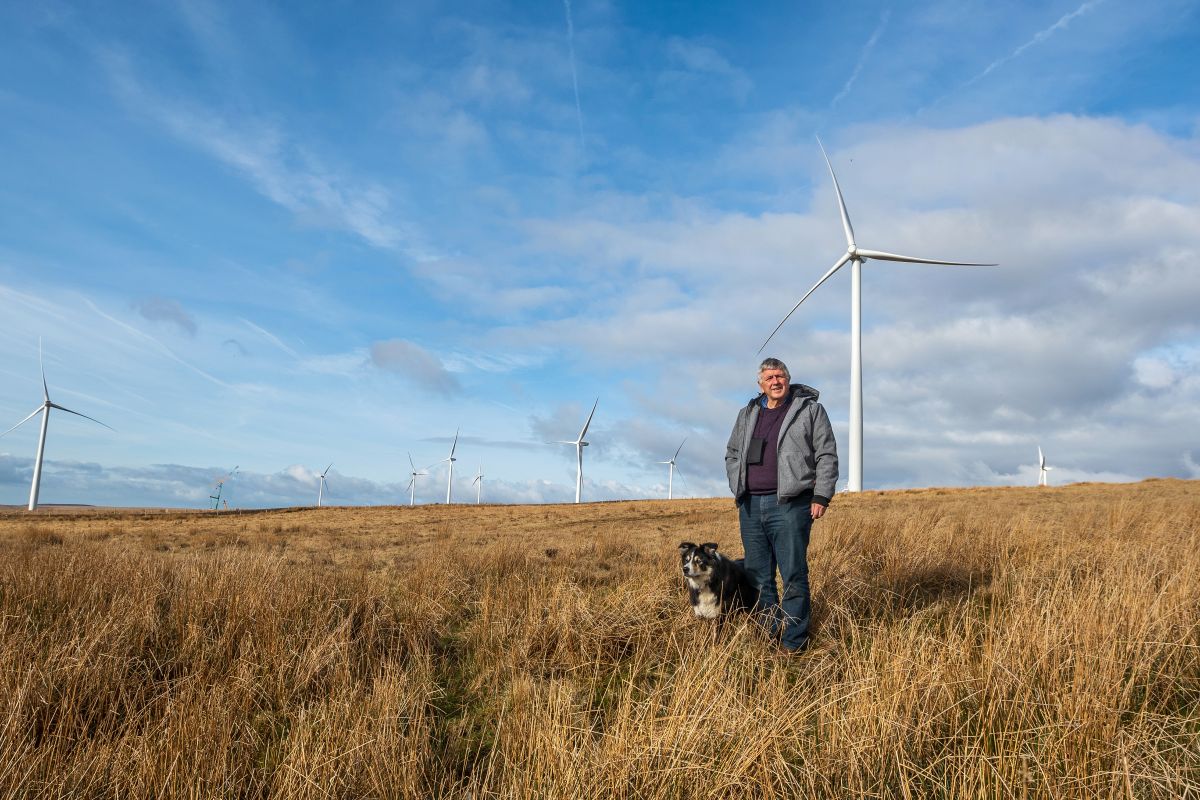
senior man in a hooded jacket stands with a dog on Welsh moorland with wind turbines in the distance
Wind turbines powering a clean energy future in Wales

What funding is available?

Charities and community energy groups can apply for funds to deliver energy related projects that meet the scheme priorities such as benefiting energy consumers in vulnerable situations across England, Scotland and Wales.

There are four funding streams organisations can apply to – each relate to a scheme priority. When applying for funding you should consider which priority your project supports.

Grants start at £20,000 and can cover up to 100% of project costs.

Core priority

Supporting energy consumers in vulnerable situations

The scheme’s core priority is to support energy consumers. It aims to support energy consumers in vulnerable situations and help people who are most at risk from cold homes and high energy bills. Organisations can apply for funds to meet this priority through the Main and Small Fund streams.
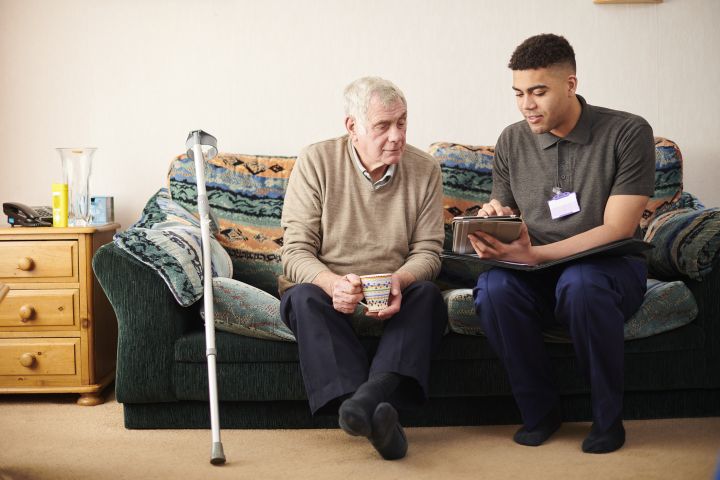
A young carer shows a tablet to an older man sitting on a sofa, who is holding a mug. A crutch leans against the sofa.

Main and Small Fund

For projects that support energy consumers in vulnerable situations and help people who are most at risk from cold homes and high energy bills.

  • Small Fund: Min £20,000 | Max £50,000
  • Main Fund: Min £50,000
  • Up to 2 years and 100% project costs

To support energy consumers in vulnerable situations and help people who are most at risk from cold homes and high energy bills.

Activities that can be funded through these funds include:

  • Delivering energy advice and support
  • Installation of energy saving or renewable energy measures
  • Training and education on energy issues
  • Crisis support, linked to energy bills or the energy efficiency of a property (only as part of a wider energy advice project)

All activity and advice must be energy specific. Activity that cannot be funded by the Energy Redress Scheme include, but are not limited to:

  • Energy saving measures that can be funded from another source, such as the Energy Company Obligation (ECO), other government or devolved government schemes or an organisations’ own capital programme.
  • Installation costs for renewable energy technologies that are funded through government schemes or would normally be covered by an organisations’ own capital programme.
  • Advice on benefits, income maximisation, debt or housing issues which are not energy specific (however, specific advice on energy debt is within scope).

The budget of your project will determine whether you apply for funding through the Main or Small Fund. Projects expected to spend under £50,000 should apply to the Small Fund, projects costing over £50,000 should apply to the Main Fund.

young mum getting help from a man wearing a lanyard, they are sitting at a small table with paperwork and a coffee cup

Impact Fund

This fund aims to measure the impact of grant funded projects to support energy consumers in vulnerable situations, by piloting robust monitoring methods.

  • Min £20,000
  • Up to 2 years and 100% project costs

Impact Fund projects must:

  • Collect robust information on tangible benefits to energy consumers of different types of advice-based interventions
  • Use this data collection to learn lessons about the impact of funded projects
  • Generate and share good practice on robust and efficient ways of tracking measurable, positive impact for clients of fuel poverty support work

Funded activities include:

  • Collection and analysis of data to improve understanding of what interventions have an impact in tackling fuel poverty.
  • Monitoring equipment, evaluation and specialist support needed to evidence impact.
  • Delivery of fuel poverty advice activity which is being monitored for impact.

Activity that cannot be funded by the Energy Redress Scheme include, but are not limited to:

  • Projects that are not focussed on supporting energy consumers in vulnerable situations.
  • Projects without a robust plan to measure impact.
  • Monitoring programmes that extend beyond the grant-funded period (redress funding is limited to 24 months).
  • Projects that do not have a clear plan to contribute learning to the wider fuel poverty sector.

Priority

Developing innovative products and services related to energy

Up to 15 percent of Energy Redress funds can support the development of innovation projects.

young adult man with cerebral palsy in a wheelchair at home listens to or watches something on a digital touchscreen tablet

Innovation Fund

Supporting the development of innovative products and services, that benefit energy consumers and help to reduce the environmental impact of energy use.

  • Min £20,000
  • Up to 2 years and 100% project costs

Innovation Fund projects must:

  • Have a realistic prospect of delivering benefits to existing and/or future energy consumers
  • Help to reduce the environmental impact of energy use

These projects can involve conducting research and analysis into product/service development or trialling the roll-out of products or services that are ready to be implemented but not yet accessible to energy consumers or certain groups of energy consumers.

Activity that cannot be funded by the Energy Redress Scheme include, but are not limited to:

  • Projects that do not demonstrate genuine innovation, testing, research or development of new products, services or approaches.
  • Projects that cannot show a realistic prospect of delivering benefits to current or future domestic energy consumers.

Priority

Reducing carbon dioxide emissions from energy use

Up to 15 percent of Energy Redress funds can also be used to support energy-related activities aimed at reducing carbon dioxide emissions from energy use.
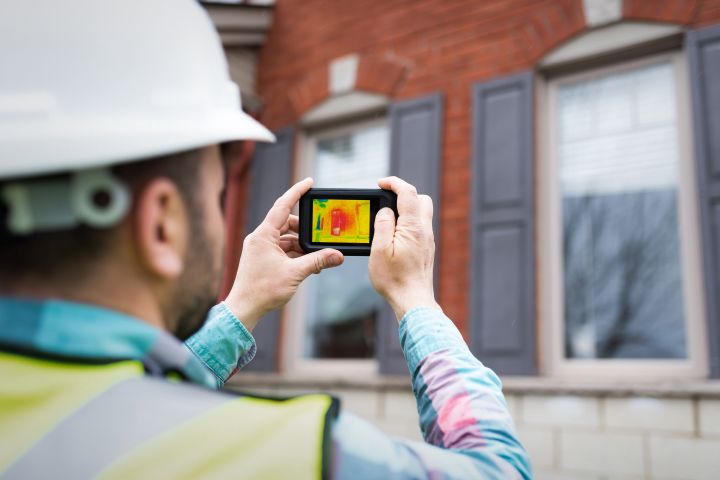
engineer using a thermal camera to analyse the heat loss of a red brick house

Carbon Emissions Reduction Fund (CERF)

Supporting energy-related activities aimed at reducing carbon dioxide emissions from energy use. These projects must focus on energy generation, distribution or energy use.

  • Min £20,000
  • Up to 2 years and 100% project costs

Projects seeking support through this funding stream must demonstrate

  • Measurable and lasting reductions in the carbon intensity of energy end use and accelerate the transition to net zero carbon dioxide (CO2) emissions
  • Have a realistic prospect of delivering broadly replicable benefits to existing and/or future energy consumers

Funded activities include:

  • Community energy projects, including initiatives that enable collective ownership of renewable energy assets.
  • Projects that improve access to low-carbon technologies for households and communities.
  • Projects that strengthen local supply chains and improve the availability of energy efficiency and renewable energy products and services.
  • Collective purchasing schemes that make energy efficiency and renewable energy measures more affordable.

Activity that cannot be funded by the Energy Redress Scheme include, but are not limited to:

  • Projects focused solely on awareness raising that do not demonstrate a clear route to measurable and lasting carbon reductions.
  • Projects for bespoke buildings or unique property types that cannot be widely replicated.
  • Activities outside of Ofgem’s regulatory remit, such as tree planting, carbon offsetting, transport or waste projects.
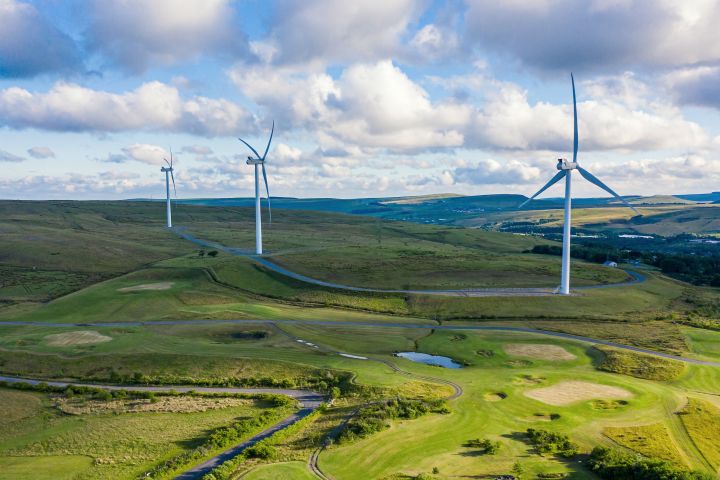
aerial drone shot of several clean energy wind turbines in a rural area of Wales

Just Transition Fund

This fund aims to accelerate the development of community renewable energy schemes and build the capacity of the sector to deliver impactful renewable energy projects that promote a just transition to net zero.

  • Min £20,000
  • Up to 2 years and 100% project costs

Projects supported through this fund must bring tangible benefits to energy consumers in vulnerable situations. For example:

  • Using profits from energy sales to create local fuel poverty funds
  • Providing affordable energy direct to people who struggle with their energy bills

Some funding rounds may include additional priorities, for example, a specific geological focus or type of energy consumer. These will be made clear to applicants when the round opens. Funding rounds are announced quarterly.

Funded activities include:

  • Development work for community-led renewable energy projects that deliver benefits for energy consumers in vulnerable situations.
  • Staff time and specialist support required to progress renewable energy projects, including feasibility studies, business modelling, surveys and planning work.
  • Project-related engagement and consultation costs that help community renewable energy projects progress towards investment readiness and future delivery.

Activity that cannot be funded by the Energy Redress Scheme include, but are not limited to:

  • Capital costs associated with renewable energy installations, including the purchase of equipment or generation systems.
  • Installation, construction or commissioning costs for renewable energy projects.

Ready to apply?

Charities and community energy groups can apply for funds through the Energy Redress Scheme to deliver energy related projects that meet the scheme priorities and benefit energy consumers in vulnerable situations across Great Britain.

Organisations interested in applying to the scheme must read our latest guidance documents, to ensure that their project meets the priorities of the scheme and that they provide all the necessary information in the application form.

Register your organisation (at least 2 weeks prior to funding round deadlines), review the guidance, prepare your application, and apply in our quarterly rounds.