

Case studyCommunity Links Scotland
Responded to rising levels of fuel poverty and limited advice services with a free, local energy advice service that offers practical support to vulnerable households. Discover how they supported 1,466 households.

Community Links Scotland is a registered charity providing regeneration consultancy services for housing associations and not for profit independent voluntary and community groups.
They secured £150,268 in Phase 2, Round 5 and £178,246 in Phase 2, Round 13 of the Energy Redress Scheme with their West Dunbartonshire Energy Advice project.
Project aims
The project aimed to respond to rising levels of fuel poverty, where many residents were struggling with high energy costs, limited advice services, and increasing financial pressure.
To do this, Community Links Scotland planned to create a free, local energy advice service that offered practical support to vulnerable households, helping them better understand and manage their energy use, reduce bills, and deal with fuel debt.
Intensive, personalised advice would be delivered by a team of energy advisors. Providing practical solutions, advocacy, financial support and essential items to improve warmth at home. Alongside guidance on heating systems, energy efficiency and supplier issues to help increase residents’ confidence and knowledge.
Working closely with the local Citizens Advice Bureau, five Housing Associations, and West Dunbartonshire Council, they aimed to create a coordinated, accessible service. That reduced hardship, improved comfort and affordability, and ensured residents could access the help they needed during a period of rapidly increasing energy costs.
I didn’t know what to do… I couldn’t top up, and with my asthma it was really worrying. Getting my heating back on made such a difference.
Energy advice service user
Project deliverables
Advice was delivered through both virtual and in-person methods, including pop-up ‘Energy Hubs’ across community venues, in partnership with local organisations. These sessions helped to raise awareness of the service and give residents access to quick advice and referrals.
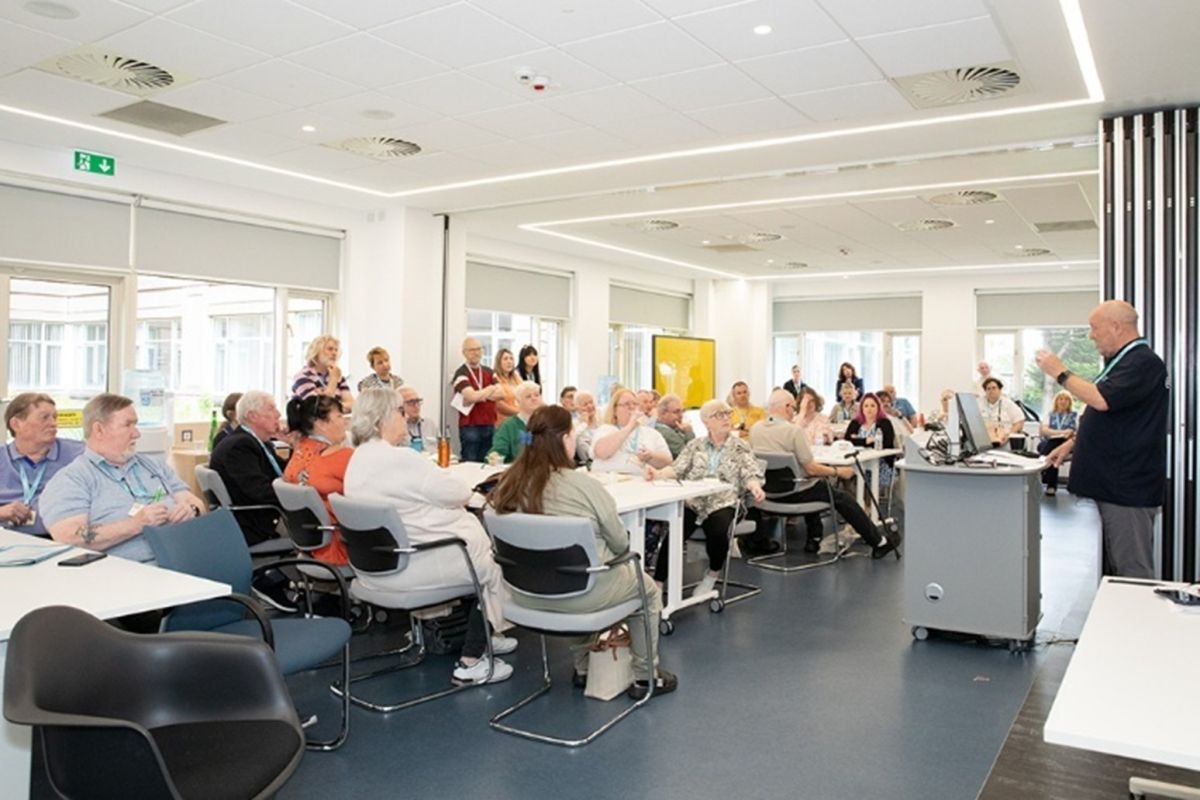
Using a partnership approach helped the project reach households living within the 15% most deprived communities (SIMD20). Doing community drop-in events across these areas, and targeting vulnerable groups, meant they were able to promote the project to residents who might not have otherwise accessed support.
The project was initially developed with a focus on home visits, as engagement with residents had highlighted a gap in service delivery. These visits enabled advisors to conduct ‘Home Energy Audits’. Understanding each household’s circumstances, taking observational notes and creating bespoke support that directly addressed resident’s needs. Throughout the project, home visits proved the most effective method for uncovering hidden issues and building trust.
The service also offered telephone and virtual support to provide ongoing help, manage follow up queries, and assist residents who struggled to attend sessions in person.
Project impact
The project has delivered measurable improvements in comfort, confidence, and wellbeing across the community. Prior to accessing the service, 67% of survey respondents were switching off their heating due to cost, and 48% reported being unable to keep their home warm in winter.
After engaging with the service, 95% of service users said they now knew where to go for future energy advice, and 78% felt confident about accessing wider welfare rights support. Many households reported reduced anxiety, better wellbeing and an increased ability to manage bills and engage with their energy suppliers.
The support came at the right time. I could turn the heating on without fear and focus on welcoming my baby into a warm, safe home.
Energy advice service user
